
How to File a Water Damage Claim in Kansas
To file a water damage claim in Kansas, first stop the water if you can do so safely, then photograph everything, write down dates and times, and call your carrier to open the claim. Keep receipts, moisture readings, and contractor notes in one folder. Do not throw away damaged items until your carrier says you can.
24/7 — call any time • Serving 27 Wichita ZIP codes • Local Wichita water damage team
What is the first thing to do before you file a water damage claim in Kansas?
Make the home safe and stop the water if you can do so safely. Shut off the water at the source or at the main shut-off if you know where it is, and stay out of water that may be sewage or water near live electrics. Move dry belongings away from the wet area, lift curtains and rugs where you can, and open a path for drying once the source is under control. Do not wait for a claim number to stop an active leak, because extra water only adds to the damage. Take a wide photo of each room before you move anything, then close photos of the water source, the water line on walls, and any soaked sheet rock, carpet, or furniture. A short video walk-through helps too, because it shows the layout and the spread of water in a way single photos may miss. Note the date and time you found the water, when the leak started if you know it, and when you shut the water off. Those notes become the backbone of your claim.
ICT Water Pros is a Wichita water damage restoration company. Our team responds, inspects and does the work. Calling is free; you pay only for work you agree to.
How do you file a water damage claim in Kansas, step by step?
How to file water damage claim Kansas homeowners should follow is simple: follow the steps in order, and keep a copy of each one. The order matters because a carrier will ask when you found the damage, what you did next, and who did the work. If our team starts drying before the adjuster visits, ask for moisture readings, photos of the readings, and a written scope of work. Those records show the carrier what was wet, how wet it was, and why each step of drying or removal was needed. Do not throw away damaged items until your carrier says you can, unless an item is a clear health risk, such as sewage-soaked carpet or food. If you must throw something away for safety, photograph it first, note why you removed it, and keep a sample or a receipt if you have one. For items you replace, keep the old item’s photo and the new receipt together, so the adjuster can match the loss to the purchase.
- Stop the water if you can do so safely, and make the home safe.
- Photograph and video the damage, the water source, and every affected room.
- Write down dates, times, and what you saw, in order.
- Call your carrier to open the claim and get your claim number.
- Keep receipts for emergency work, drying, and any items you replace.
- Collect moisture readings and contractor notes and share them with your carrier.
- Meet the adjuster, walk the damage together, and keep a copy of everything you hand over.
What photos, dates, receipts, and notes should you keep for a Kansas claim?
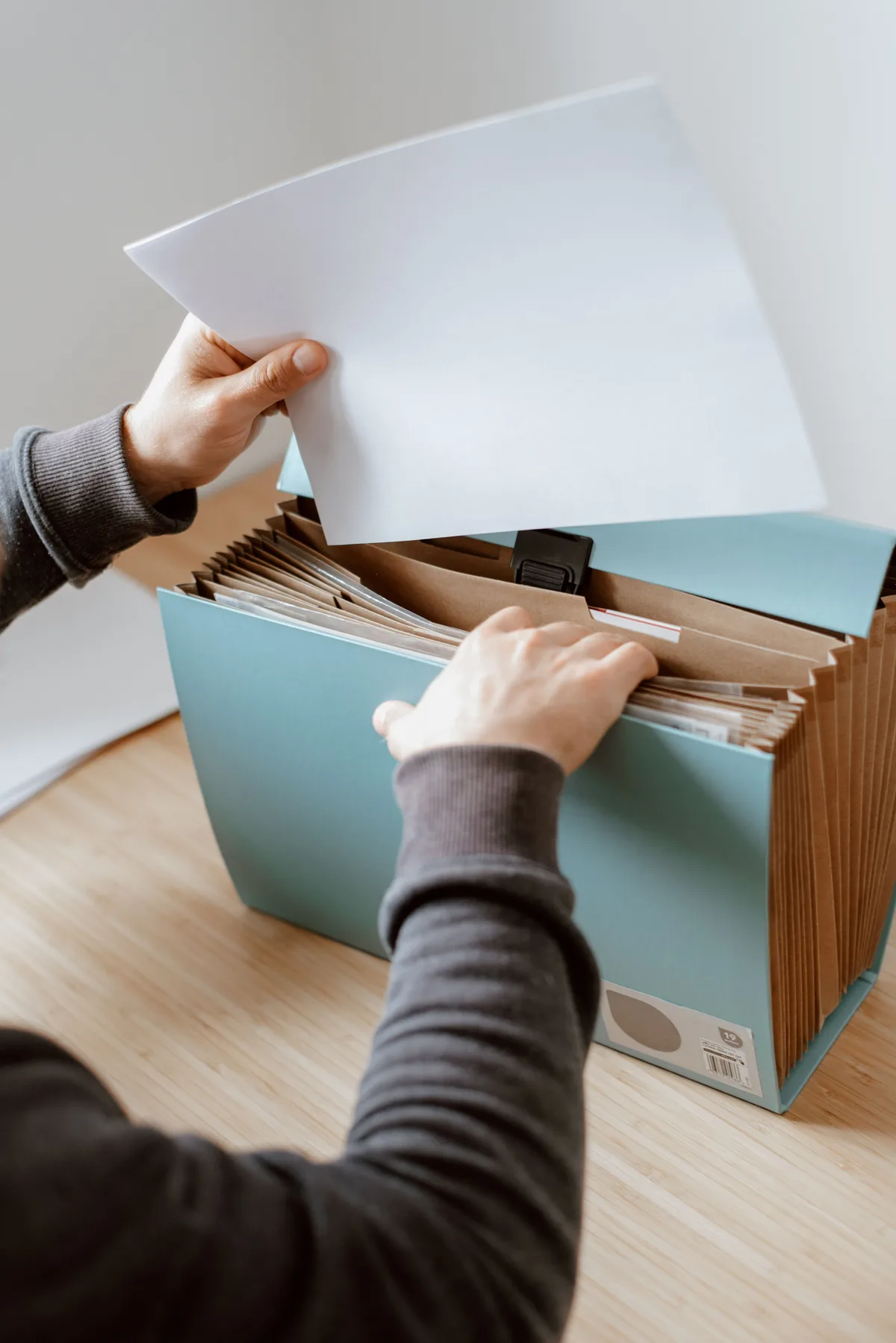
Keep five kinds of proof in one folder: photos and video, a dated timeline, receipts, moisture readings, and contractor notes. Photos should cover the source of the water, each affected room, the water line on walls, soaked sheet rock and flooring, and any damaged belongings, with a close photo of labels or model plates where you can get one safely. Your timeline should list, in order, when you found the water, when you shut it off, when you called your carrier, when drying started, and when the adjuster visited. Receipts matter even for small spending. Keep receipts for emergency plumbing, drying equipment, cleaning supplies, hotel stays if you had to leave the home, and any items you replaced. Moisture readings matter because they show the carrier that drying was based on measurement, not guesswork. Ask our team to write down readings for each wall and floor area, the date of each reading, and when an area was declared dry. Contractor notes should say what caused the loss, what was removed and why, and what still needs repair. Mold can start within 24 to 48 hours on wet materials, according to CDC and EPA guidance, so do not let paperwork slow down drying. You can document and dry at the same time. Photograph first, then start drying, then photograph again as each area dries. That before-and-after record helps the carrier see the full loss, even after wet sheet rock and carpet are gone.
How do you work with the adjuster on a water damage claim?
For how to file water damage claim Kansas adjusters expect, meet the adjuster at the home if you can, and walk the damage together room by room. Show your photos, your timeline, your receipts, and your moisture readings in the order the damage happened. Point out the water source, the water line on each wall, and any hidden damage, such as wet sheet rock behind a baseboard or wet insulation under a floor. Ask the adjuster to note each item you show them, and write down any extra proof they ask for before they leave. Ask plain questions while the adjuster is there: what is covered, what is not, what is your deductible, and what happens next. Ask for the decision and the payment breakdown in writing, and check it against your photos and receipts when it arrives. If a line item looks wrong or a room is missing, call back with the photo and the reading that supports it, and ask for the file to be reviewed. Keep the name, phone number, and email of every person you speak with, plus the date of each call. If your loss came from a storm, your adjuster may be handling many claims at once. Wichita’s June 2026 flash flood is a recent example of that pressure: KSN TV reported up to 6 inches of rain overnight across the Wichita area, 911 took more than 100 flooded-vehicle calls, and Wichita Fire ran 180 calls in 10 hours, with 60 percent water-related. The National Weather Service Wichita page for the 25-26 June 2026 event is the official record. A clear folder with dated photos and readings helps your claim stand out when an adjuster is working through a long list.
What mistakes should Wichita homeowners avoid when filing a claim?
The most common mistake is waiting too long to call. A slow leak that sat for weeks, or a claim opened long after the damage was found, gives a carrier room to question timing and cause. Call as soon as you find the damage, even if you do not yet know the full cost. You can add receipts and readings later, but the claim date is set when you first report the loss. A second mistake is throwing away proof too early. Wet sheet rock, soaked carpet, and a failed hot water tank or pipe part can all help show cause and scope. Photograph them, keep the failed part if you can, and wait for carrier guidance before disposal, unless safety forces you to act. A third mistake is starting repairs without a written scope. Get the scope in writing first, share it with your carrier, and keep every change in writing too, so no one later disputes what was agreed. The Kansas Insurance Department runs a storm-and-flood consumer page for Kansas homeowners. It is a useful read before you file, especially if your loss involved storm water, sewer backup, or flood water, because those causes are treated differently from a burst pipe inside the home. If you are unsure which category your loss falls into, ask your agent to point to the policy wording that applies, and keep that answer with your claim folder.
What costs should you expect, and what does a claim usually pay?
Your deductible comes first. You pay the deductible, and the carrier pays covered damage above it, up to your policy limits and any sublimits for mold, water backup, or contents. A backup endorsement limit is often much lower than the main limit. Ask your carrier for the limit that applies to your cause of loss, not just the main policy limit. On national cost, figures here are labelled NATIONAL and are not Wichita prices: Bob Vila reported in May 2023 an average job of about $3,455, with per square foot figures of about $3 to $4 for the lightest category, $4 to $7 for the middle category, and $7 to $7.50 for the heaviest category. PushLeads reported in 2026 an average of about $3,867. No Wichita prices have been published that could be found, so do not treat those national averages as a quote for your home or as a promise of what a carrier will pay. For help in the Wichita metro, including ZIP codes 67202 through 67220, plus 67223, 67226 through 67228, 67230, 67232, 67235, and 67260, call ICT Water Pros at (316) 205-2900. Our team can document moisture readings, photograph the damage, and give you a written scope you can hand to your adjuster. That scope does not decide your claim, but it gives the adjuster clear, dated proof to work from.
Water damage claim checklist — what to keep, and why your carrier asks for it
| Item to keep | What to include | Why it helps your claim |
|---|---|---|
| Photos and video | Source, each room, water lines, damaged items | Shows scope, cause, and timing |
| Dated timeline | When found, shut off, called, drying started | Fixes the claim date and cause order |
| Receipts | Plumbing, drying, cleaning, hotel, replacements | Proves spending and supports payment |
| Moisture readings | Each wall and floor area, with dates | Shows drying was measured, not guessed |
| Contractor notes | Cause, removal reasons, scope of work | Links the work to the loss in writing |
| Claim record | Claim number, names, dates of calls | Lets you follow up without starting over |
Frequently Asked Questions
Do I need to visit an office to file a water damage claim in Kansas?
No, you can open a claim by phone or online, but keep the claim number and the name of every person you speak with. Write down the date and time of each call.
Should I file a claim if the damage is small?
It depends on your deductible and the size of the loss. If the repair cost is close to your deductible, ask your agent whether filing makes sense before you open a claim.
Should I start cleanup before the adjuster visits?
Yes, if you can do so safely. Shut off the water at the source, move dry items away from the wet area, and start drying only when it is safe. Do not enter water that may be sewage or near live electrics.
What can I do if my water damage claim is denied?
Ask your carrier for the reason in writing, and ask what extra proof would change the decision. You can also ask your agent to review the denial wording with you before you accept it.
Sources
- Kansas Insurance Department — storm and flood consumer page. https://www.insurance.kansas.gov/consumers/storm-and-flood — Kansas consumer guidance on storm and flood coverage.
- NWS Wichita — 25-26 June 2026 event page. https://www.weather.gov/ict/event_20260625 — Official event record for the June 2026 Wichita flash flood.
- KSN TV — heavy rain leads to flash flood emergency in Wichita. https://www.ksn.com/weather/weather-stories/heavy-rain-leads-to-flash-flood-emergency-in-wichita-several-cars-submerged/ — Reported up to 6 inches of rain overnight; 911 took 100+ flooded-vehicle calls.
- CDC — Homeowners and Renters Guide to mold. https://www.cdc.gov/mold-health/media/Homeowners_and_Renters_Guide.pdf — Mold can start within 24-48 hours on wet materials.
- EPA — Brief guide to mold, moisture and your home. https://www.epa.gov/mold/brief-guide-mold-moisture-and-your-home — General mold and moisture guidance.
- Bob Vila — water damage restoration cost (NATIONAL benchmark). https://www.bobvila.com/articles/water-damage-restoration-cost/ — NATIONAL benchmark only, May 2023, about $3,455 average job; per sq ft figures are national, not Wichita prices.
- PushLeads — water damage restoration cost (NATIONAL benchmark). https://pushleads.com/restoration-company-seo/water-damage-restoration-cost/ — NATIONAL benchmark only, 2026, about $3,867; not a Wichita price.
Service area: ICT Water Pros serves the Wichita metro across 27 ZIP codes: 67202–67220, 67223, 67226, 67227, 67228, 67230, 67232, 67235, 67260. Location line: Downtown Wichita Area · Wichita, KS 67202. No street address is claimed.
ICT Water Pros is a Wichita water damage restoration company. Our team responds, inspects and does the work. Calling is free; you pay only for work you agree to.
Last reviewed: 2026-10-26
Related Pages
- Home
- How it works
- Water damage cost in Wichita
- Water damage insurance guide for Kansas
- Does insurance cover water damage in Kansas
- Contact ICT Water Pros
ICT Water Pros — Wichita, KS — Call (316) 205-2900 — Open 24/7