
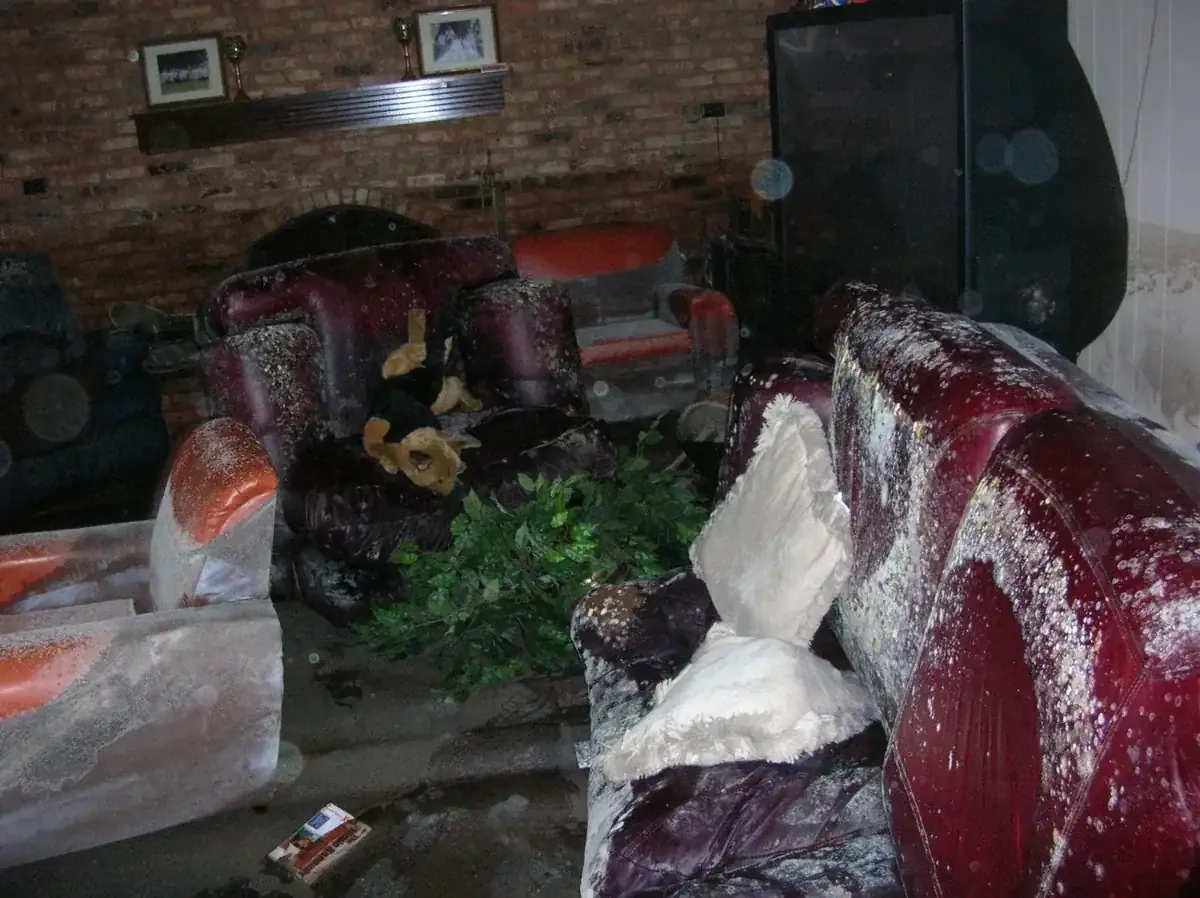
Renters and Landlords: Who Pays for Water Damage?
Who pays for water damage in a Kansas rental often turns on the cause and the lease terms. Tell the landlord or property manager fast, in writing, with photos and dates. Keep copies of everything, and do not withhold rent or repair a landlord’s property without a written agreement.
24/7 — call any time • Serving 27 Wichita ZIP codes • Local Wichita water damage team
Who pays for water damage in a rental?
Who pays for water damage in a rental often turns on the cause and the lease terms, not on a single rule that fits every home. A burst pipe in a wall, a failed hot water tank, and a roof leak point in one direction, while a tenant overflow, a blocked drain from misuse, and damage after a tenant ignored a leak point in another. The lease may also set out who reports a problem, who arranges repairs, and who pays for belongings, so the lease is the first document to read. This page cites no Kansas statute and is not legal advice. No statute number, section, or legal deadline is given here, because no verified Kansas landlord-tenant statute was available in the project sources for this page. If your case turns on a legal right or deadline, get advice from a qualified adviser or legal aid source in Kansas before you act on rent, repairs, or moving out. In plain terms, start with facts, not blame. Note when you found the water, where it came from if you know, which rooms it reached, and what you did next. Photos with dates, a written notice to the landlord, and copies of every message give both sides a shared record, and that record matters far more than an argument about who should have acted first.
What should a renter do first after finding water?
Tell the landlord or property manager fast, in writing. A phone call alone is easy to forget or dispute, so follow it with a text, email, or letter that states the date and time, the rooms affected, the source if you know it, and what you have done so far. Keep a copy for yourself, and note the name of anyone you spoke with. Document with photos and dates before anything is moved or repaired, where it is safe to do so. Photograph the source area, the wet rooms, damaged belongings, and any stain on a ceiling or wall. Do not touch outlets or appliances in standing water, and stay out of water you cannot identify, including sewage or flood water, which is Category 3 black water and needs professional cleanup by our team. Keep damaged items until you have photos and, where possible, advice on what to keep for an insurer or adviser. Throwing items away too fast can remove the proof of what was wet and how badly it was harmed, and it can also make a landlord dispute harder to settle. Bag small wet items separately, note the room they came from, and keep receipts for anything you must replace at once for safety. Move dry belongings out of the way if you can do so safely, and do not start repairs on a landlord’s property without a written agreement. Painting over a stain, pulling up flooring, or cutting sheet rock can hide moisture, change the repair, and create a dispute about who caused further harm. A written agreement protects you and the landlord, because it states who approved the work and who pays for it.
What should a landlord do first after a tenant reports water?
A landlord who gets a written report should act promptly to stop the source and arrange an assessment, because water does not wait for a convenient day. Mold can start within 24 to 48 hours on wet materials, according to CDC and EPA guidance, so a slow reply can turn a small leak into a larger repair and a harder conversation with a tenant. Keep the same kind of record a tenant should keep: the date and time of the report, photos, our team’s assessment, moisture readings, and copies of messages. That record shows what was reported, what was done, and when, and it helps both sides if an insurer or adviser later asks for a timeline. It also helps separate a sudden pipe failure from a long-running leak that went unreported. In June 2026, Wichita saw how outside water can hit rentals as well as owned homes. KSN TV reported up to 6 inches of rain overnight across the Wichita area, with flooded streets and cars, and Wichita Fire ran 180 calls in 10 hours, with 60 percent water-related. A landlord with homes in low areas should know which properties face outside-water risk, and a tenant in such a home should report rising water at once, from a safe spot, rather than trying to mop flood water.
Does the cause decide who pays?
In general, the cause is the starting point for the who-pays conversation, and the lease terms shape the rest. A failure in the building’s plumbing, roof, or hot water tank is often a landlord-side repair, while damage a tenant caused or failed to report may be discussed as a tenant-side cost. Those are general patterns, not a ruling on any single case, and a lease clause, an insurer decision, or legal advice can change the picture. Belongings are a separate question from the building repair. A landlord’s repair of a pipe does not by itself cover a tenant’s damaged furniture or clothes, and a tenant’s renters insurance, where they have it, is often the route for belongings. Read your lease and any insurance papers you hold before you assume either side will cover the other side’s losses. The National Weather Service Wichita office recorded a flood event on 25 to 26 June 2026, and an earlier event on 3 June 2025. Those dates matter for rentals because flood water from outside is a different cause from an indoor leak, and the two may be handled differently by insurers and in lease discussions. Note the source clearly in your written report, so the cause is not guessed later.
Should a renter withhold rent or repair the damage?
As a caution, do not withhold rent or make repairs on a landlord’s property without a written agreement, and check your lease and get advice before you take either step. Withholding rent and self-repair can create a separate dispute even when the original leak was not your fault, and that dispute can distract from getting the home dried and repaired. This is general guidance only, not legal advice, and it does not state a legal right or deadline. If a landlord is slow to reply, keep writing, keep copies, and keep a dated log of every message, call, and visit. Note what was promised, what happened, and what is still wet or damaged. That log is useful for an adviser, an insurer, or a mediator, and it keeps the conversation on facts rather than on memory. If the home is unsafe, such as standing sewage water, a collapsed ceiling, or no safe power or water, ask an adviser or local authority promptly about your options rather than waiting for the next rent date. Safety comes before a payment dispute, and a written record of the unsafe condition, with photos and dates, is the first step in any advice conversation.
How can renters and landlords get help in Wichita?
ICT Water Pros serves the Wichita metro from the Downtown Wichita Area in Wichita, KS 67202, across the 27 ZIP codes on the home page. Call (316) 205-2900 and our team will take it from there. Our team does the restoration work; we do not give legal advice or decide who pays — the lease, the cause, and advice decide that. When you call, say whether you are the renter or the landlord, whether the landlord has been told in writing, and whether the water came from inside or outside. That brief helps our team plan the assessment, and it keeps the repair conversation tied to the source and the spread rather than to guesswork. Cost questions are fair for both sides, but national figures are not Wichita prices. Bob Vila reported in May 2023 an average job of about $3,455 nationally, and PushLeads in 2026 put a national figure near $3,867. No Wichita prices have been published that could be found, so get a quote for the home, keep the quote with your photos and messages, and let the lease, the cause, and advice decide who pays, rather than a national average.
Renters and landlords: first steps by situation
| Situation | Renter first step | Landlord first step | Record to keep |
|---|---|---|---|
| Burst pipe or tank failure | Report fast in writing with photos | Stop source, arrange assessment | Report, photos, team readings |
| Roof or storm leak | Report fast in writing with photos | Arrange inspection and drying check | Report, photos, repair notes |
| Tenant overflow or blocked drain | Report at once, do not hide it | Assess cause and lease terms | Report, cause note, messages |
| Sewer backup or flood water | Stay out, report at once in writing | Arrange our team’s cleanup, do not ask tenant to mop | Photos from safe spot, dates |
| Leak found days later | Report with honest dates | Check spread, note report date | Dated log, photos, readings |
| Repair or rent dispute | Check lease, get advice, keep writing | Reply in writing, keep a log | Lease, messages, advice note |
Frequently Asked Questions
Can a landlord ask a tenant to pay for a burst pipe?
That depends on the cause and the lease terms, so there is no single answer. A pipe failure in the building is often discussed as a landlord repair, but a lease clause or a tenant-caused failure can change the discussion, so check the lease and get advice.
Should I tell my landlord by phone or in writing?
Tell them in writing, even if you also call. A written notice with the date, rooms, and source gives both sides a clear record, while a phone call alone can be forgotten or disputed later.
Who pays for my damaged furniture in a rental?
Belongings are often separate from the building repair. Check your lease and any renters insurance you hold, keep photos and receipts, and ask your insurer or adviser about belongings cover rather than assuming the landlord covers them.
Can I fix a leak myself and take it off the rent?
Do not do that without a written agreement, and check your lease and get advice first. Self-repair and rent deductions can create a separate dispute, so a written agreement that states the work and who pays is the safer route.
What if my landlord does not reply to my report?
Keep writing, keep copies, and keep a dated log of every message and visit. Note what was promised and what is still wet, and ask an adviser promptly if the home is unsafe, rather than waiting for the next rent date.
Sources
- KSN TV — June 2026 Wichita flash flooding. https://www.ksn.com/weather/weather-stories/heavy-rain-leads-to-flash-flood-emergency-in-wichita-several-cars-submerged/ — Source for up to 6 inches of rain overnight and Wichita Fire call figures.
- NWS Wichita — 25-26 June 2026 event. https://www.weather.gov/ict/event_20260625 — Dated Wichita flood event.
- NWS Wichita — 3 June 2025 event. https://www.weather.gov/index.php/ict/event_20250603 — Earlier dated Wichita event.
- CDC homeowners and renters mold guide. https://www.cdc.gov/mold-health/media/Homeowners_and_Renters_Guide.pdf — Mold can start within 24-48 hours on wet materials.
- EPA mold guide. https://www.epa.gov/mold/brief-guide-mold-moisture-and-your-home — Mold and moisture guidance for homes.
- Kansas Insurance Department — storm and flood. https://www.insurance.kansas.gov/consumers/storm-and-flood — Kansas consumer page on storm and flood topics.
- Bob Vila water damage cost, May 2023. https://www.bobvila.com/articles/water-damage-restoration-cost/ — NATIONAL benchmark only, about $3,455 average job; not a Wichita price.
Last reviewed: 2026-10-26
Service area: ICT Water Pros serves the Wichita metro across 27 ZIP codes: 67202–67220, 67223, 67226, 67227, 67228, 67230, 67232, 67235, 67260. Location line: Downtown Wichita Area · Wichita, KS 67202. No street address is claimed.
Related pages: ICT Water Pros home page • how it works • water damage cost in Wichita • water damage insurance guide for Kansas • first 60 minutes after water damage • mold after water damage • water categories and classes explained
ICT Water Pros — Wichita, KS — Call (316) 205-2900 — Open 24/7